October 30, 2026
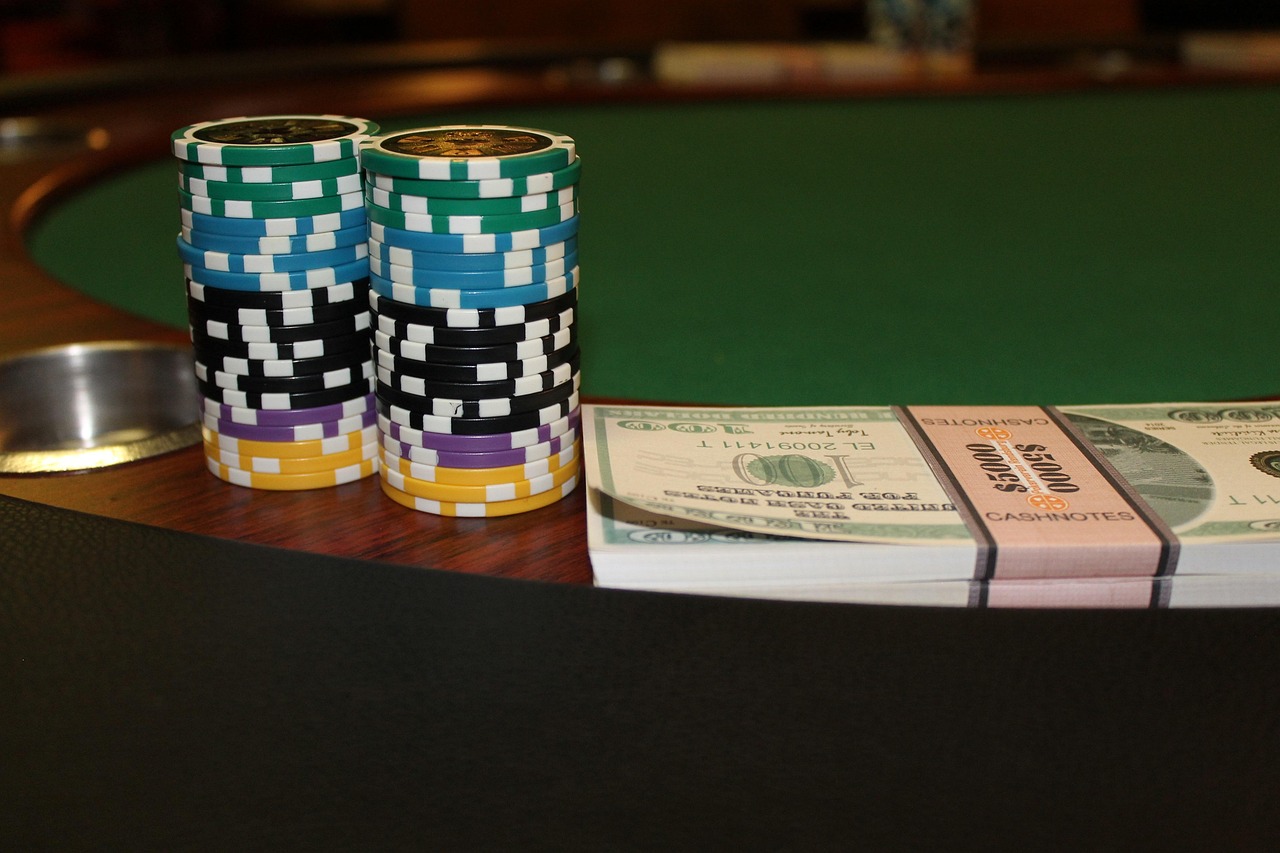
Every casino floor and every poker room tell the same quiet story: the house doesn't win because it's lucky. It wins because it understands variance, edges, and time. Players who grasp those three forces tend to stick around longer, enjoy the ride more, and — crucially — lose less. This isn't a lecture about quitting gambling. It's a breakdown of how the iGaming world actually works, from slot math to poker odds to the betting markets that swallow weekend punts whole. If you play online slots, sit at a cash table, or place a Saturday accumulator, the following ideas will change how you size your stakes.
Slots: RTP Is a Long-Term Promise, Not a Paycheck
Walk into any online casino lobby and you'll see hundreds of titles from providers like Pragmatic Play, NetEnt, Play'n GO, and Hacksaw Gaming. Each game carries a Return to Player figure — typically 94% to 97.5% on modern video slots. That number is honest, but it's also patient to the point of cruelty. A 96% RTP does not mean you get 96 cents back from every euro you feed in. It means that across millions of spins, the software pays back roughly that percentage. Over your 500-spin session, anything can happen.
The real lever for slot players isn't RTP — it's volatility. High-volatility slots like Money Train 4 or San Quentin can go 300 spins without a meaningful win, then dump a 2,000x multiplier in one bonus round. Low-volatility games such as Starburst or many Book of Ra clones pay small and often, which stretches a bankroll if you enjoy steady play. Neither is objectively better. The mistake is playing a high-volatility slot with a 20-euro balance and expecting to reach the bonus. Match the game to your balance, not the other way around.
- Rule of thumb: have at least 100–200 base bets available for high-volatility slots. If you're betting 50 cents, a 20-euro bankroll is thin.
- Autoplay caution: setting 100 spins and walking away is how small losses become big ones. Watch the balance move.
- Bonus buy reality: buying a feature for 100x your stake is gambling on a gamble. The maths often favors patience, not the button.
Poker: Where the Edge Is Actually Yours
Poker is the one major iGaming vertical where a skilled player can hold a genuine long-term edge. Slots and roulette are fixed-math games; poker is a fight over information against opponents who make mistakes. The house still takes its rake — 5% up to a cap on most cash tables — but the money that flows between players is real, and better players take it.
The modernonline poker landscape, however, is brutal. Solvers, HUDs, and preflop charts have squeezed the margin so tight that the difference between a winning and losing regular at 100NL is often one or two big blinds per 100 hands. If you're playing micro-stakes, focus on the fundamentals before anything fancy:
- Position is king. Playing 27% of hands from the button is a completely different game than doing it from the small blind.
- Stop defending junk. Calling a 3x open with K-9 offsuit out of position bleeds money quietly.
- Track your results. Not to beat yourself up, but to see which spots actually lose. Most players are shocked at how badly they play multiway flops.
- Move down when doubting. There is no shame in dropping a level. The rake is lower, the fishes are fishier.
Tournament poker is a different beast. Even an excellent MTT player is often losing money in 70% of sessions. The upside lies in final-table finishes where a 300x return arrives in one hand. Bankroll management here means the 100 buy-in rule isn't a suggestion — it's survival.
Sports Betting: The Margin Lives in the Prices
Football odds of 1.90 on both sides of a two-way market imply a 5.26% bookmaker margin, which means a break-even strike rate of about 52.6% just to break even. Most casual bettors win between 48% and 51%. The math is unforgiving. That's why the sharp money doesn't chase accumulators with six legs — it hunts value on singles, closing lines, and props that the market prices sloppily. Many readers start with slot mahjong when comparing options.
Where do value bets hide? Often in less glamorous markets: Asian handicaps, over/under corners, player shots on target, and second-division leagues where the bookmaker's model is thinner. Promotions matter, too. A 50% free bet on a 1.50 shot is a real edge worth about 0.25 of your stake in expected value. Taking those bonuses consistently beats hunting for 10-to-1 long shots unless you're being paid to entertain yourself.
- Shop lines. The difference between 1.85 and 1.95 over 500 bets is enormous — roughly 50 units.
- Track closing line value. If you consistently beat the closing price, you're profitable long-term, results aside.
- Don't chase. The bet isn't bigger because you're owed one after a bad beat.
Bankroll Management: The One Skill That Applies Everywhere
Whether you're spinning slots, multi-tabling 6-max, or betting the Serie A card, the same theorem holds: bet sizes must be relative to bankroll and to variance. A poker cash player who's properly rolled sits with 2% to 5% of their total funds on the table. A sports bettor might use 1% to 2% per bet. A slot session should be a fixed loss limit decided before the first spin, not after the third tilt-reload.
Here's the practical test: if losing your current session's entire budget would ruin your week, you're playing too high. Move down, restructure the stakes, and protect the ability to keep playing. The iGaming industry survives on marginal edges applied over millions of transactions. The player's version of that edge is simply staying disciplined long enough for skill and variance to shake out in their favor.
Final Thoughts: Play the Long Game
Nobody remembers the session where they made a reasonable 40-euro profit after four hours. They remember the 15-leg accumulator that lost by one goal and the slot bonus that paid 8x after 400 spins. That's precisely why so many players give back gains — memory rewards the dramatic and forgets the mathematical. The iGaming edge isn't hidden in a secret strategy or a VIP manager's call. It's in knowing the RTP, respecting the variance, hunting value in prices, and playing stakes that don't rattle you. The house has an edge on every game except the skill-based ones. Your only job is to make sure the stake you post doesn't hand over more than it should.