September 30, 2026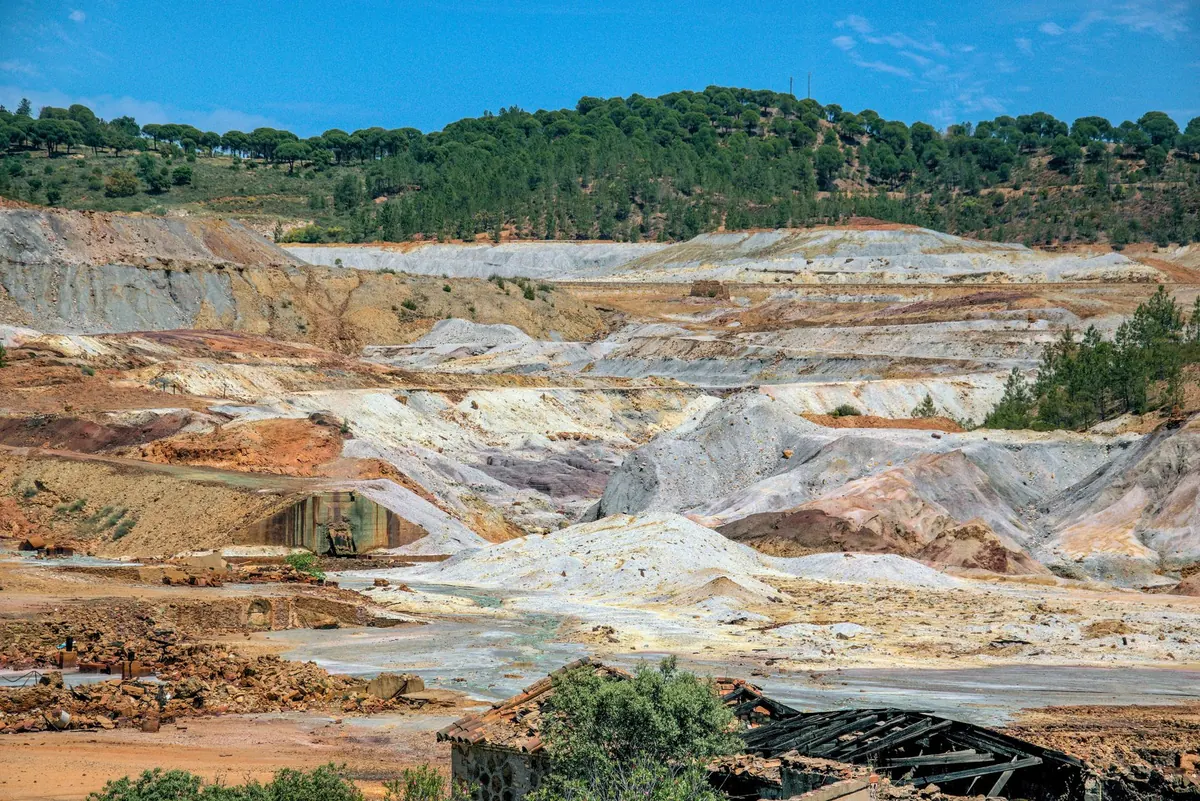
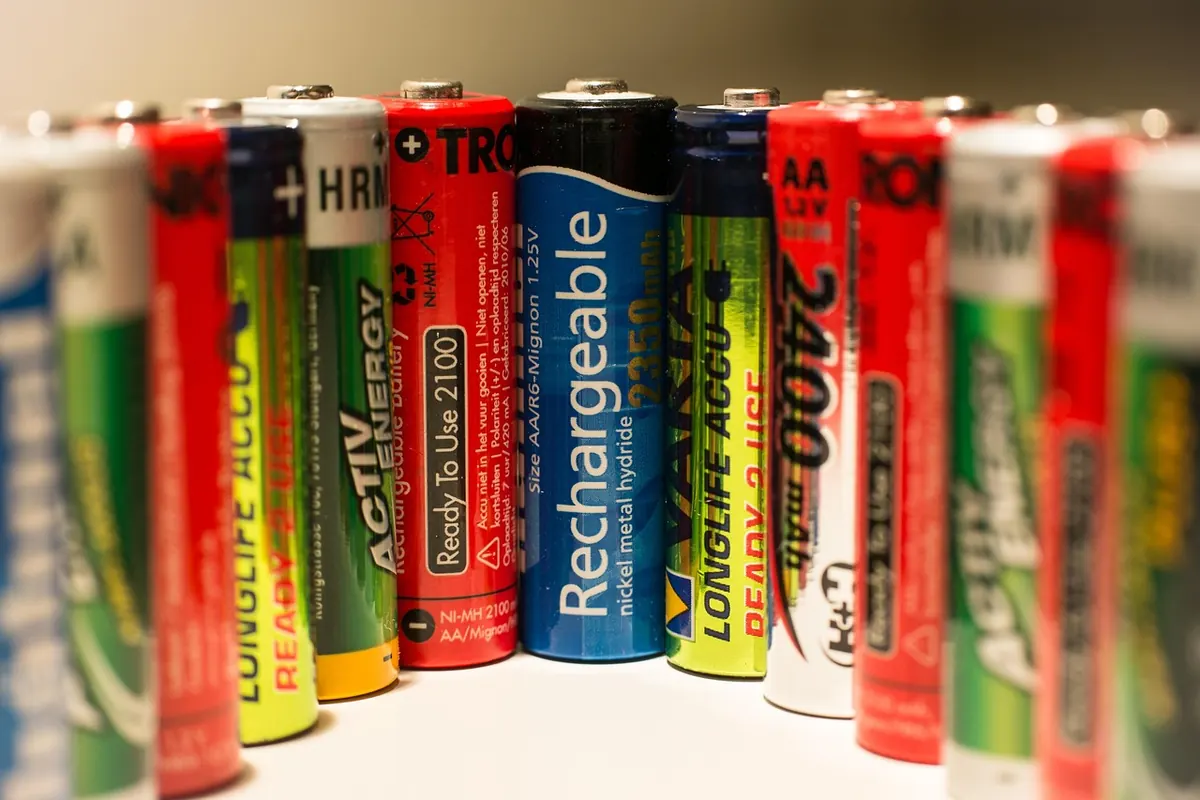
A smartphone, a cordless drill and most electric cars share a common ingredient: a battery cathode that, more often than not, contains cobalt. The metal's human story — the artisanal pits, the labour risks — gets most of the attention, and rightly so. The environmental side is harder to see. It sits in tailings dams, diesel exhaust and the cleared ground around open pits. What follows is a plain account of where the impacts fall, and where the data is still genuinely thin.
Why cobalt's footprint resists a simple answer
Cobalt is seldom mined for its own sake. Most of it comes out of the ground as a by-product of copper mining in the Democratic Republic of the Congo, with smaller volumes produced alongside nickel in Australia, Canada and Indonesia. That one fact shapes everything else.
A mine's water use, emissions and land disturbance belong principally to the metal that pays the bills. Allocating a share to cobalt involves accounting choices that can flatter or inflate the result depending on the method used. The chain then crosses the world: ore is concentrated near the pit, refined in a handful of countries, and converted into cathode material before it reaches a battery factory.
Any claim about "low-carbon" or "sustainable" cobalt therefore needs a boundary. Which mine, which refinery, which electricity grid, which allocation method. Without those four answers, a headline figure is decoration.
Water: the pressure is local
Water impacts are felt within a few kilometres of the operation, not on a global balance sheet. Grinding, flotation and leaching all consume water, but it is usually the handling of waste — the rock with no payable metal in it — that drives the largest demand. Dust suppression on haul roads adds more.
Then there is what leaves the site. Tailings dams hold fine, chemically active waste behind embankments; when they fail, the consequences are severe and long-lived. Even without a failure, seepage and wind-blown dust can move metals into soils, streams and shallow wells that nearby communities rely on. Sulphide-rich waste exposed to air and water generates acid drainage, which mobilises metals and can continue long after a mine closes. Some copper-cobalt ores in central Africa carry naturally occurring uranium and other heavy metals, which end up in waste streams and deserve specific monitoring rather than a general assurance.
Useful questions to put to an operator: is process water recirculated, and at what rate? Are tailings thickened, filtered or dry-stacked rather than simply ponded? Are impoundments lined? Who monitors catchment water quality, and is that monitoring published independently of the company?
Emissions: diesel, grids and long freight routes
Greenhouse gas emissions from cobalt supply come from three broad places.
- On-site energy. Haul trucks, loaders, drills and generators. Very large volumes of rock are moved for a comparatively small quantity of metal.
- Electricity. Grids in the copperbelt region are hydro-heavy, which helps, but reliability varies and diesel backup fills the gaps. Refining is more energy-intensive still, and much of it happens on grids with a far higher coal share.
- Freight. Concentrates and intermediate products travel thousands of miles by road and sea before becoming battery material.
The productive question is not whether cobalt is clean, but how much carbon is emitted per tonne of contained cobalt at a named operation, on a named grid. Scope 1 and 2 figures are the starting point; the electricity source and the refining step usually settle the answer.
Land disturbance and slow regrowth
Open-pit mining strips vegetation, soil and rock in sequence. Around the central African copperbelt that often means Miombo woodland — a dry forest system that supports people, livestock and wildlife, and regrows slowly once cleared. Waste rock dumps and tailings storage extend the footprint, fragment habitat, alter local drainage and generate dust.
Closure is where good intentions meet the bill. Rehabilitation is expensive and easy to postpone, so the strength of a closure plan and the money set aside to fund it matter more than the language in a sustainability report. Progressive rehabilitation — restoring sections while mining continues — is a reasonable sign that a company means what it says.
Artisanal mining's wider footprint
Artisanal and small-scale mining often works alongside industrial concessions, sometimes inside them. Pits are hand-dug, frequently unlined and rarely recorded. Ore may be washed in streams, putting fine sediment and metals into water used for drinking and irrigation. Timber is cut for pit supports and charcoal, and abandoned ground is seldom backfilled.
Blanket boycotts tend not to help. They push activity further out of sight and remove income from people with few alternatives. Traceability, fair prices and formalisation schemes that bring sites under inspection generally deliver more, though progress is slow and uneven.
What credible sourcing looks like
There is a workable set of tools now, even if none is flawless. The OECD Due Diligence Guidance sets out the underlying expectations. Refiner-level assurance programmes audit smelters and refiners against supply chain standards. Mine-level standards such as IRMA cover environmental and social performance at the site itself. The EU's battery regulation is phasing in due diligence duties, carbon footprint disclosure and a battery passport, which will push better data down the chain whether or not you sell into Europe.
Questions worth asking of any supplier:
- Which mine and which refinery, by name?
- What are the site's water withdrawal and discharge figures, and who verified them?
- How are tailings stored, and what is the independent inspection record for the dam?
- What share of purchased electricity is renewable, and what is the refining footprint per tonne?
- How is land rehabilitated, and is the closure provision actually funded?
- Which assurance standard applies, and when was the last audit?
Putting this into practice
If you specify, buy or design products containing lithium-ion batteries, your leverage is larger than it feels.
- Ask about chemistry first. Where a lower-cobalt or cobalt-free option suits the job — lithium iron phosphate for many stationary and entry-level applications, sodium-ion for some others — the question removes itself.
- Make packs last. A battery that survives eight years needs one pack instead of three.
- Repair and refurbish. Cells and modules are replaceable; the embedded metal is not.
- Return, don't hoard. Recovery rates for cobalt in formal recycling are high; the weak link is collection, not processing.
- Put it in the contract. Due diligence clauses and reporting duties change supplier behaviour faster than public commitments.
Cobalt is not going to vanish from batteries next year, and treating it as either villain or saviour misses the point. Read environmental claims the way you would read a cost estimate: ask what is included, who checked it, and what has been left out. Where a sourcing decision carries legal or compliance weight, take advice from someone qualified to give it.