September 14, 2026
Cobalt has a small market and a large reputation. Global mine production is measured in the hundreds of thousands of tonnes a year rather than millions, yet the metal sits inside most electric vehicle batteries, a good share of the world's jet engines and plenty of the tooling in a machine shop. That mismatch between size and importance is why cobalt prices can swing hard on news that would barely move copper — and why anyone buying, selling or budgeting around the metal needs to understand the plumbing underneath it.
The two sides of the cobalt market
Supply: a by-product that ignores its own price
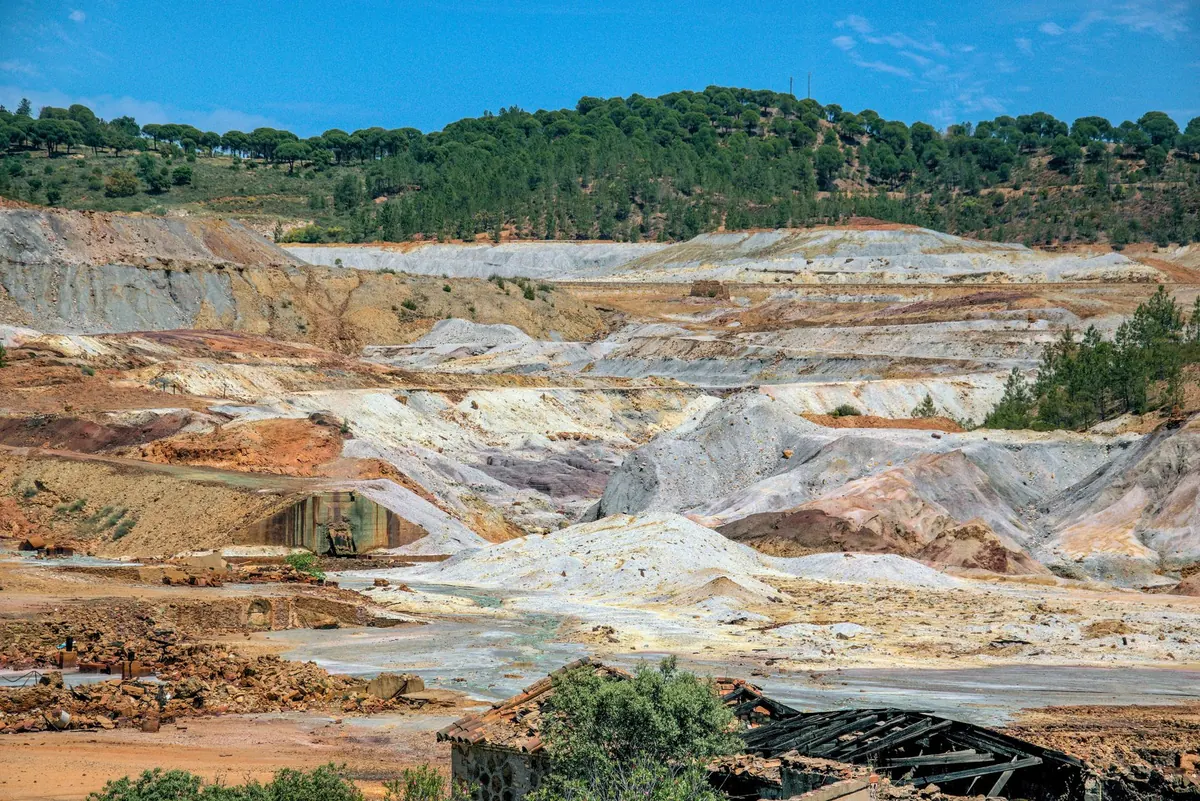
Most cobalt is not mined for cobalt. A large majority of it arrives as a by-product of copper or nickel operations, which means output is decided by copper and nickel economics, not by the cobalt price. If a copper operation in the Democratic Republic of the Congo slows down, cobalt supply falls whether cobalt is trading cheaply or expensively.
That single fact explains a great deal of the market's behaviour. When prices fell sharply after the 2018 spike, supply did not retreat the way it would in a conventional commodity market. Nickel projects in Indonesia, built for nickel, produced cobalt anyway. And because the DRC accounts for roughly seven tonnes in every ten of mined supply, the market is unusually exposed to one country's tax regime, export policy and logistics.
Demand: batteries first, then everything else
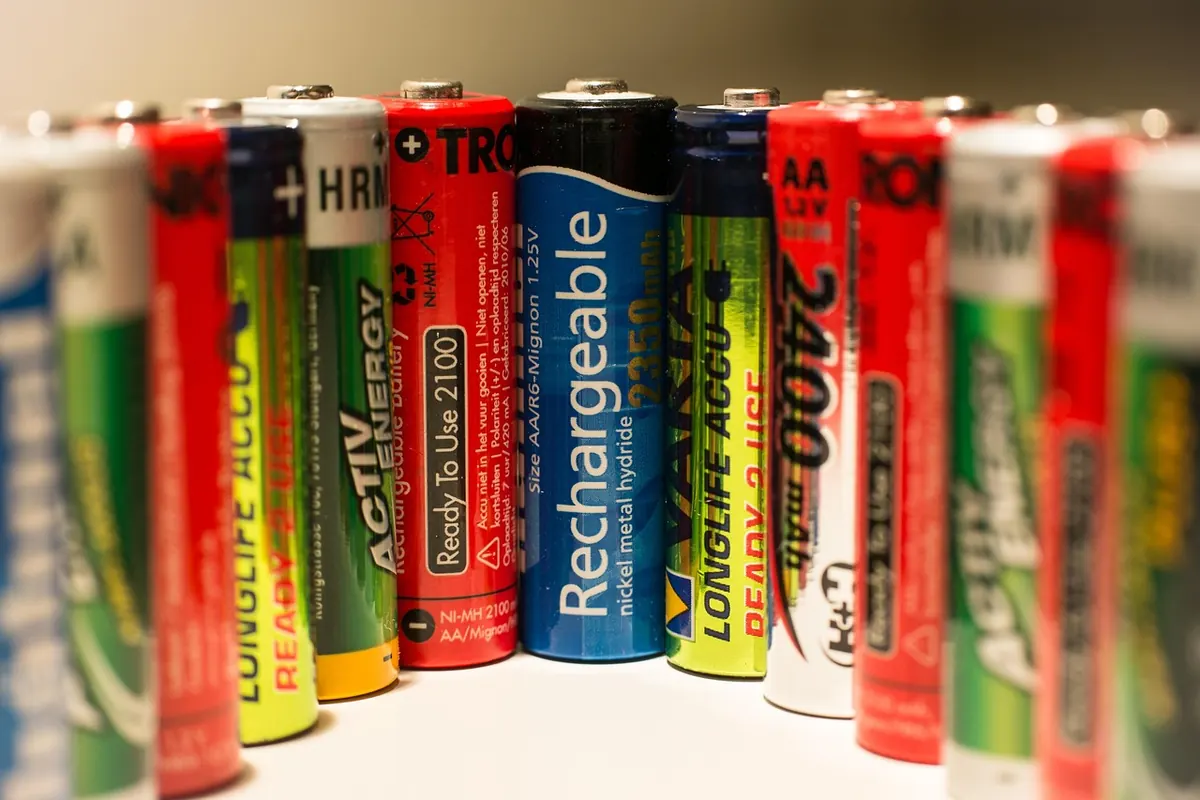
Battery cathodes take the bulk of demand, mostly in nickel-rich chemistries such as NMC. But cobalt has other, stickier customers: superalloys for turbine blades, cemented carbides for cutting tools and drill bits, catalysts in the chemicals industry, pigments, and samarium-cobalt magnets for high-temperature applications.
Aerospace and tooling demand is modest, steady and largely price-insensitive — a jet engine maker will not redesign an alloy because cobalt got expensive. Battery demand is the opposite: large, growing and highly responsive to substitution. LFP cathodes, which contain no cobalt, and sodium-ion cells have taken share precisely in the segments where buyers watch costs closely. Thrifting — reducing cobalt content in a cathode while keeping performance — does the rest.
How cobalt is actually bought and sold
There is no single global reference price in the way there is for copper or aluminium. Most physical cobalt changes hands on long-term contracts between a producer and a refiner or trader, with the price set by a formula: a published assessment from a price reporting agency, adjusted by a discount or premium for form, grade and delivery point.
Form matters more than newcomers expect. Cobalt hydroxide, the intermediate that leaves the DRC, trades at a payable — a percentage of the contained metal price — because it still needs refining. Metal, briquettes and powders trade closer to the headline number. Chinese metal, European metal and US-delivered material can all print differently on the same day.
Exchange contracts exist: the LME lists a physically settled cobalt contract, and CME offers cash-settled futures. They have added transparency and genuine hedging options, but physical trade still leans heavily on assessments and bilateral deals. Anyone budgeting from one headline figure is likely to be wrong by the time the invoice lands.
The main producers
On the mining side, Glencore has been the best-known name in the DRC for years. CMOC grew quickly into one of the largest suppliers through its Tenke Fungurume and Kisanfu operations. Eurasian Resources Group, Chemaf and a long tail of smaller operators make up much of the rest of Congolese output, alongside copper-cobalt producers elsewhere in the Central African Copperbelt.
Outside Africa, cobalt comes from nickel operations in Indonesia, Canada, Russia, Australia and the Philippines, and from a handful of dedicated mines. Note where the money is made: a large majority of the world's refining capacity sits in China, with the Kokkola refinery in Finland and Japanese producers as notable exceptions. That split between where cobalt is dug up and where it is turned into usable chemicals is one of the defining features of the market, and a recurring theme in supply-security debates.
The main consumers
Cathode and cell manufacturers in China, South Korea and Japan are the dominant buyers, followed by the automakers they supply. Aerospace primes and their alloy supply chains come next, then the hardmetal and tooling companies, then chemical and catalyst producers. Each group behaves differently: the cell makers negotiate annual volumes and fret about payables and impurities, while the aerospace chains care about qualification, traceability and long-term availability far more than they care about a few dollars a pound.
Signals worth watching
- Congolese policy. Export restrictions, quotas and royalty changes move the market faster than any mine plan. The DRC's export measures in recent years showed how quickly policy can tighten supply.
- Chinese refined output and inventories. Refinery run rates and stock levels tell you whether intermediates are clearing or piling up.
- Indonesian nickel growth. Every new HPAL project adds cobalt as a sideline, regardless of the cobalt price.
- Cathode chemistry mix. Track the share of LFP and the cobalt intensity of high-nickel cathodes; both change demand without changing car sales.
- Aerospace build rates. A slow, quiet driver of superalloy demand that rarely makes headlines.
- Regulation and due diligence. Rules such as the EU Battery Regulation and the OECD due diligence guidance shape who can sell into which market, and at what cost.
Building a workable watchlist
You do not need a dozen data feeds. Pick two or three sources you trust — a price reporting agency assessment and one or two trade publications will do — and read them on a fixed day each week so you notice changes rather than noise. Record the spread between hydroxide payables and metal, because it reveals whether refiners are short of feed or drowning in it. Keep a short note on DRC policy dates and Chinese holiday calendars, both of which distort monthly figures.
Finally, be precise about your own exposure. If you buy components containing cobalt, you are exposed to contract formulas and premiums, not to the headline price. If you are considering hedging commercial risk, take proper advice from someone who structures these trades for a living — cobalt's contract structures and liquidity are not forgiving for the inexperienced.
Photo: wal_172619 / Pixabay