September 18, 2026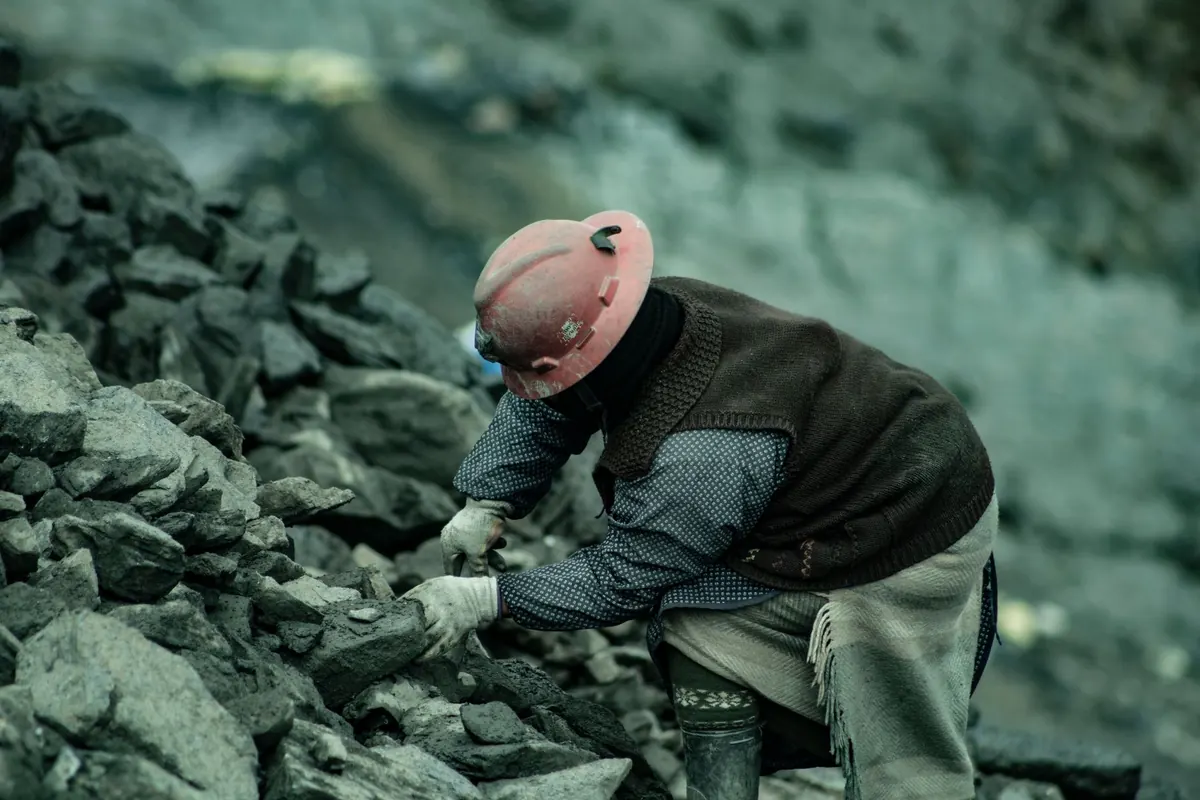
Most manufacturers never buy cobalt. They buy a cathode active material, a superalloy, a magnet, a battery cell — and somewhere upstream of that purchase sits a mine, often in the Democratic Republic of the Congo, which supplies the majority of the world's cobalt. That distance is what makes responsible sourcing difficult. It is also what makes a checklist useful. You are not trying to guarantee perfection across a chain you do not own; you are building evidence that the risks are known, owned and improving.
What follows is a working set of criteria for procurement, sustainability and quality teams who need to satisfy themselves — and their customers, lenders and regulators — that cobalt is being bought with eyes open. It is written for someone with a supplier questionnaire due on Friday, not a full audit team.
Map the chain before you check anything
Every criterion below depends on knowing who is in the chain. Start with three questions:
- Which smelter or refiner last processed the material? This is the single most useful name you can obtain, because refiners are where mixed mine feed converges.
- Which mine or mining region did it come from? A country is not an answer. A province, a licence area or a named operation is.
- Who owned it in between? Traders, tollers and agents blur this. Expect gaps, then ask how they are being closed.
Blending at the refinery means a shipment rarely comes from one place, and that is normal. What is not normal is a supplier who cannot name a refiner at all. Treat that as a finding rather than a formality. Ask too whether traceability is mass balance or full chain of custody; both can be legitimate, but only the second lets you speak about a specific mine.
Environmental criteria
- Energy and emissions. Where does refining power come from, and is carbon intensity reported per kilogram of contained cobalt? Scope 1 and 2 figures with a target date matter more than a net-zero pledge.
- Water. Intake and discharge volumes at sites in water-stressed areas, plus water quality monitoring downstream and any effect on community supply.
- Tailings and waste. Which standard governs tailings management, who reviews dam safety independently, and what the emergency plan looks like.
- Biodiversity and closure. Baseline studies, offsets, and a funded rehabilitation plan. A mine with a decade of life left and no closure provision is a liability you will inherit through reputational pressure.
- Air quality and hazardous substances. Sulphur dioxide and dust monitoring around copper-cobalt operations, with data shared rather than summarised.
Policies are cheap. Ask for two years of monitoring data, the name of the laboratory that produced it, and evidence of who reviews it. Suppliers who hold real data tend to answer quickly.
Social criteria
- Child labour and worst forms of labour. Age verification, independent monitoring in artisanal areas, and — crucially — remediation for children found working, not simply exclusion from a site.
- Forced labour and recruitment. No worker-paid recruitment fees, no withheld documents, contracts in a language the worker reads.
- Health and safety. Cobalt dust and chemical exposure controls, health surveillance, accident and fatality reporting. Ask for figures, not assurances.
- Artisanal and small-scale mining. Fair and transparent pricing, access to legal mining zones, and formalisation support rather than eviction.
- Community consent and grievance. Free, prior and informed consent for land use, resettlement practice, a functioning grievance mechanism, and how women are included in consultations.
- Security and human rights. Whether public or private security forces are trained on human rights principles, and how incidents are recorded.
A supplier that finds a problem and can show you the fix is more credible than one with no findings at all. Remediation records are a better signal than a clean audit summary.
Governance and due diligence
The OECD Due Diligence Guidance for responsible mineral supply chains remains the reference framework, and its five steps — management systems, risk identification, risk response, third-party audit, public reporting — translate well into a supplier file. Check for:
- Accountability. A named executive owner, board oversight, and due diligence embedded in contracts rather than bolted on by the sustainability team.
- Contractual teeth. Rights to audit sub-suppliers, to request refiner disclosure, and to suspend purchases without penalty if risks are unresolved.
- Integrity. Anti-bribery controls covering payments to officials, transport and security providers, plus beneficial ownership disclosure.
- Transparency. Payment disclosure and tax contributions consistent with schemes such as EITI, and reconciliation of volumes through the chain.
- Assurance. Refiner-level programmes and mine-level standards, with reports that name the site, the scope and the auditor.
- Grievances. A logged mechanism with case numbers, remedies and closure rates — not a generic email address.
Regulatory scope is shifting, particularly in the EU, where battery-related due diligence obligations cover cobalt. Requirements differ by market and product, so confirm what applies to you and take legal advice before relying on any summary, including this one.
Red flags worth pausing for
- A certificate with no refiner, mine or audit date attached.
- An audit report more than eighteen months old, or one whose scope excludes the sites that matter.
- Refusal of unannounced site visits or restricted access to worker interviews.
- Production or purchase volumes that do not reconcile with known capacity.
- One document reused across several mines, refiners or legal entities.
Turning the checklist into a working process
Start with your highest-volume, highest-risk material and leave the rest for later. Send a short supplier request — refiner name, mine or region, assurance reports, grievance summary, recent monitoring data — and give a deadline. Log what arrives, what does not, and the date of every exchange.
- Tier your suppliers by spend, country risk and how much they can actually influence upstream.
- Request evidence annually, with spot checks on a sample each quarter.
- Escalate on a fixed timetable: an improvement plan within thirty days, a decision within ninety.
- Record everything in one file per supplier, so a customer enquiry takes an hour rather than a week.
If you are a small or mid-sized manufacturer, you do not need to build this alone. Industry schemes, shared audits and requests routed through your tier-one suppliers can carry much of the load, provided you keep asking for named refiners and dated evidence. The aim is a chain you understand well enough to defend in a meeting — and to improve while you still have leverage.
Photo: Neneqo Fotógrafo / Pexels